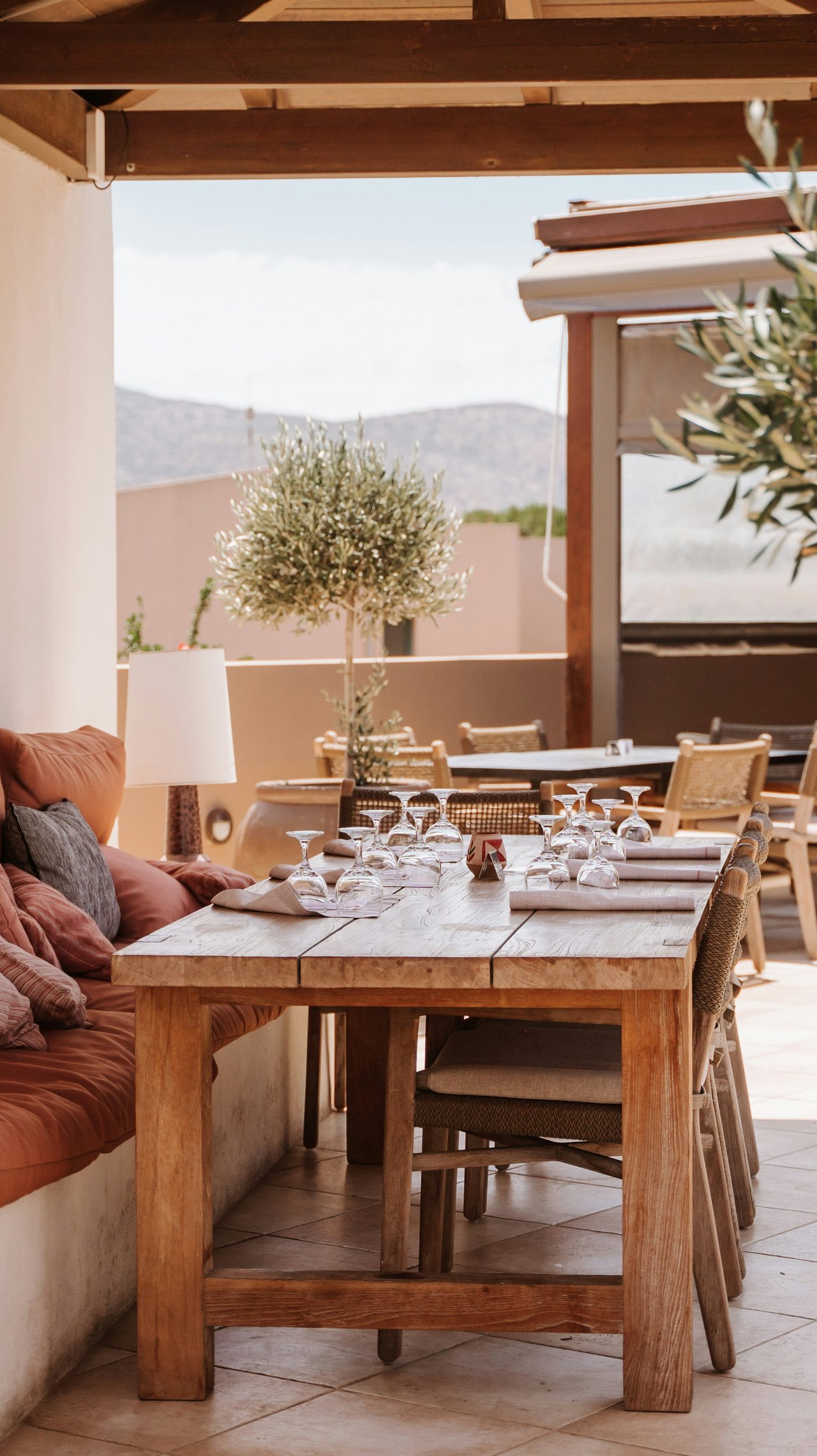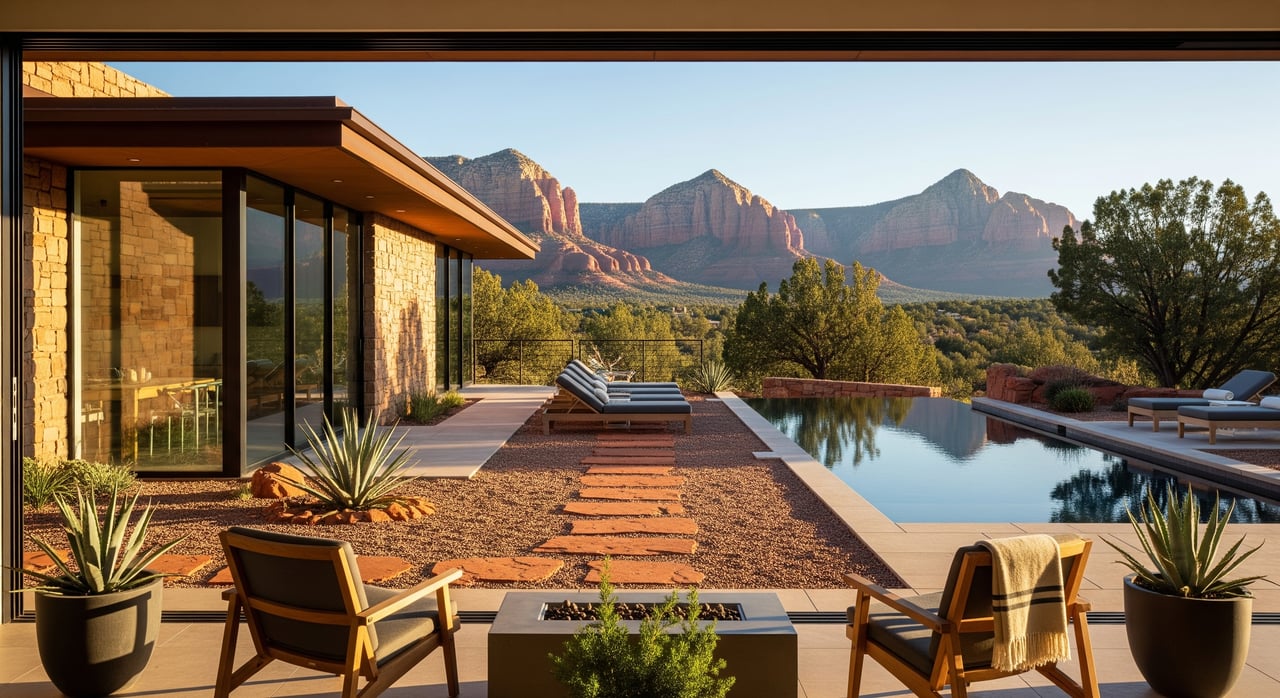
Imagine waking up to quiet skies, coffee in hand, as the red rocks glow in the morning sun. If you are picturing yourself splitting time between your main home and a retreat in Sedona, you are not alone. Many owners come for the scenery and stay for the easy pace and outdoor access. In this guide, you will see what day-to-day life looks like, how seasons shape your visits, and the practical steps that make remote ownership smooth. Let’s dive in.
The Sedona rhythm: daily life in red rock country
Sedona sits at about 4,350 feet, which gives you cooler nights, bright days, and four distinct seasons. The feel is small-town with a strong arts and wellness scene alongside world-class trails. You will find a mix of neighborhoods and nearby Verde Valley towns that offer different routines.
- Uptown and Tlaquepaque: walkable, artsy, and lively with restaurants and galleries. Expect more visitors on weekends and during peak seasons.
- West Sedona: convenient for everyday errands with grocery stores and services close by.
- Oak Creek Canyon: scenic and quieter with creek access. Roads can be winding and more affected by weather.
- Verde Valley towns like Cottonwood, Clarkdale, Camp Verde, and Cornville: more resident-focused amenities and a slower pace, with a broader range of property types.
If you come for quick weekend resets, your days may start with a hike, then a casual lunch, a gallery stop, and dinner on a patio. During longer stays, you might grocery shop, schedule local appointments, and alternate outdoor adventures with relaxed days at home. Many second-home owners also join clubs or volunteer groups over time, which makes each return visit feel more connected.
Seasons and timing your stays
Spring and fall are peak seasons when weather is mild and views are at their best. Summer brings heat and dramatic monsoon storms, which also means fewer tourists. Winter is quieter, and high trails can see occasional snow.
Tourism patterns matter. On busy weekends you may see more congestion on highways 179 and 89A and limited trailhead parking. During peak weeks, it helps to make restaurant reservations and start hikes early. At some trailheads you will need a parking or area pass. Planning ahead keeps your days focused on the fun instead of the logistics.
Getting here and getting around
Most owners fly into Phoenix Sky Harbor International and drive up, or they use Flagstaff Pulliam for a shorter drive with fewer flight options. Sedona has a small airport for private flights. Day to day, you will want a car. Public transit is limited and rideshare availability can be inconsistent compared to larger cities.
Trailheads can fill quickly. If you are heading to popular routes, go early or choose less-traveled options. Some trailheads sit on narrow, winding roads. An SUV is helpful for unpaved access, though not always required.
Setting up your home: utilities and connectivity
In-town Sedona usually has municipal water and sewer, but rural parts of the Verde Valley often rely on private wells and septic systems. Before you buy, confirm water rights, well depth, and septic condition. This is especially important if you plan to be away for long periods.
Internet options vary by neighborhood. In West Sedona and central areas, wired and cable broadband is more common. Rural properties may use fixed wireless, DSL, satellite, or emerging services. Many owners install smart thermostats, leak and freeze sensors, and cameras so they can monitor their property remotely and manage seasonal vacancy with confidence.
Local services second-home owners rely on
A strong local service network makes remote ownership easier. Common providers include:
- Property management for periodic checks, vendor coordination, and seasonal prep
- Landscaping and irrigation contractors
- Cleaning teams and locksmiths
- HVAC, plumbing, and electrical contractors familiar with local conditions
- Pool and spa technicians
Many owners schedule storm checks, wildfire-season inspections, and pre-arrival setups. If you own a rural property, expect more frequent coordination for well maintenance, septic service, and private road grading.
Weekend vs. month-long stays: sample plans
Here are two simple scenarios to help you picture your time in Sedona.
The restorative weekend
- Friday afternoon: Arrive, open the windows, and set the smart thermostat. Quick grocery stop in West Sedona, then sunset views from the patio.
- Saturday: Early hike to beat parking crowds. Lunch in town, a relaxed gallery stroll, and dinner with friends. Stargazing after dark.
- Sunday: Light trail or creek walk, then pack up and run a quick departure checklist. Lock the smart deadbolt and you are on the road by midafternoon.
The month-long escape
- Week 1: Grocery shop for staples, set up mail forwarding, and confirm yard, spa, and HVAC schedules. Ease into a routine of outdoor days and quiet home days.
- Weeks 2–3: Join a local class or club, tackle minor home projects, and book any appointments. Plan early starts for popular trails and explore less-crowded routes midweek.
- Week 4: Schedule cleaning, restock essentials for next time, and walk through a maintenance checklist before departure.
Everyday essentials: groceries, healthcare, and shopping
You will find grocery and specialty markets in Sedona for daily needs. For bigger-box shopping or a wider range of retail, many owners make a short trip to nearby towns in the Verde Valley or to Flagstaff or the Phoenix area during extended stays.
Healthcare resources include clinics and a community medical center in the Verde Valley, with hospitals and urgent care in towns like Cottonwood and Flagstaff. For specialty or advanced care, owners often plan visits to Flagstaff or Phoenix. If you live in a more remote area, build a plan for medical access during weather events and review emergency routes.
Rules, taxes, permits, and design
A second home does not qualify for primary residence exemptions. Arizona’s property tax rates are generally lower than the U.S. average, but you should confirm assessed values and obligations with the Yavapai County Assessor before you buy. If you rent your home for short stays, plan for sales or lodging taxes where required.
Short-term rental rules vary by city and county, and many HOAs have restrictions. Check local ordinances, licensing, occupancy rules, and tax requirements before listing a property. In Sedona and parts of the Verde Valley, exterior changes often require permits and may go through design review to protect scenic corridors. Septic systems, wells, and lot coverage are subject to county and state rules.
Risk and readiness: wildfire, weather, and water
Wildfire is a real consideration in this region. Insurance premiums and availability can depend on your property’s risk zone, defensible space, and access. Many owners maintain trimmed vegetation, use fire-resistant materials where practical, and keep an evacuation plan.
Monsoon storms can cause flash flooding in canyons and washes, especially in places like Oak Creek Canyon. Rockfall and winter storm closures on some roads can occur. A practical step is to enroll in local emergency alert systems, such as countywide alerts and CodeRED, and to keep an emergency kit at the property.
Remote-owner checklist
Use this quick list to make departures simple and returns stress-free.
- Water and HVAC: Winterize or de-winterize as needed. Set smart thermostat schedules and consider water shutoff and leak detectors.
- Alerts and security: Enroll in county emergency alerts and local fire district notifications. Use smart locks and cameras. Designate a local keyholder.
- Maintenance cadence: Schedule roof, HVAC, septic, well, and irrigation service during shoulder seasons. Add storm and wildfire-season check-ins.
- STR planning if applicable: Verify city or county rules, HOA restrictions, permits, and tax collection before you host.
- Trail and town readiness: Keep a small supply of parking permits or passes if required, and aim for early start times in peak months.
- Departure wrap-up: Empty perishables, run the dishwasher, set irrigation, confirm locks and sensors, and note any supplies to replenish next trip.
Is Sedona or the Verde Valley right for you
If you love walkable arts districts and easy access to dining, Uptown and nearby areas may fit your style, especially if you do not mind seasonal visitor energy. If you prefer quick errand runs and straightforward access, West Sedona offers more everyday convenience.
If you want more space or a slower pace, consider Cottonwood, Clarkdale, Camp Verde, or Cornville in the Verde Valley. These towns provide a range of property types and services geared toward residents. Your best fit comes down to how you like to spend your days and how often you plan to visit.
Ready to explore properties and build a plan for smooth remote ownership in Sedona and the Verde Valley? With decades of local experience and a full-service approach, Sylvia Ray is here to help you match lifestyle priorities with the right home and a practical ownership setup.
FAQs
What does a typical second-home day in Sedona look like
- A morning hike, a relaxed lunch, a gallery visit or spa session, and an evening on the patio or stargazing are common routines for many owners.
How do Sedona’s seasons affect second-home visits
- Spring and fall are busiest with mild weather, summer has heat and monsoons with fewer visitors, and winter is quieter with occasional snow on higher trails.
What travel options work best for out-of-area owners
- Most owners fly into Phoenix or Flagstaff and use a personal or rental car since local public transit and rideshare options are limited.
What should I know about utilities and internet in rural areas
- Rural properties often have private wells and septic systems, and internet may rely on fixed wireless, DSL, or satellite rather than wired options.
Are short-term rentals allowed for Sedona second homes
- Rules vary by jurisdiction and HOA; confirm permits, licensing, occupancy rules, and tax requirements with your city or county before listing.
What risks should I plan for as a remote owner
- Wildfire, flash floods, and seasonal storms are main risks; create defensible space, enroll in local alerts, and keep an insurance and evacuation plan current.