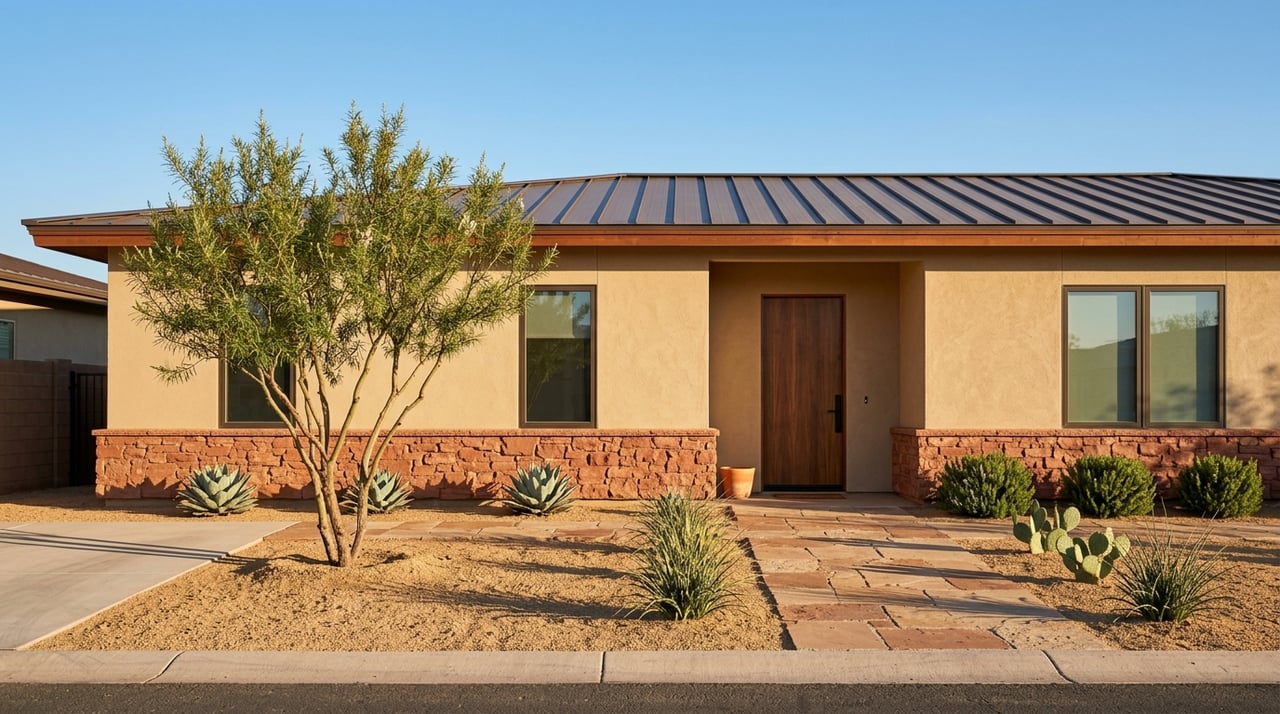
If you are selling a home in Cottonwood, pricing it right and getting the details right matter more than ever. Buyers today can compare your home against dozens of others online, and in a market where sale prices tend to land below list price, small mistakes can cost you time and money. This guide will help you understand what matters most when selling in Cottonwood, from pricing and disclosures to prep and marketing, so you can move forward with more confidence. Let’s dive in.
Understand the Cottonwood market
Cottonwood sits in a price range that appeals to a wide mix of buyers. Recent market data places typical home values and sale prices in the high-$300,000s, with Redfin reporting a median sale price of $389,757 for the three months ending May 2026 and Zillow reporting a May 31, 2026 home value index of $396,917. The exact figure varies by source, but the bigger takeaway is clear: buyers are paying attention to price, condition, and value.
Homes are also taking some time to sell. Redfin reports an average of 46 days on market and a 96.6% sale-to-list ratio. That means many sellers are not getting full asking price, which makes accurate pricing and strong presentation especially important.
Cottonwood also stands out within the Verde Valley as a more accessible entry point. Yavapai County reported a 2025 single-family median sale price of $430,000 for the Verde Valley area, while countywide it was $550,000. For sellers, that means buyers may be comparing your property closely against nearby communities and looking carefully at lot size, views, privacy, condition, and convenience.
Know who may buy your home
Your likely buyer pool is broader than just local movers. Redfin migration data from late 2025 showed that 53% of home search activity was from people looking to stay within the metro area, while 47% was tied to searches looking to move out of Cottonwood. Phoenix was the top inbound metro, followed by Los Angeles and Chicago.
That does not mean every buyer will come from out of town, but it does show that many shoppers may first encounter your home online. Some may be comparing Cottonwood with other Verde Valley locations before they ever book a showing. Others may already know the region and be looking for a practical move, a second home, or a downsize option.
Cottonwood’s setting helps shape that demand. The city highlights the Verde River, Historic Old Town Cottonwood, the municipal airport, and access to regional destinations like Sedona, Jerome, Camp Verde, Dead Horse Ranch State Park, and Tuzigoot National Monument. For sellers, this means your home may appeal not only because of square footage and features, but also because of how it fits the broader Verde Valley lifestyle.
Price for today’s buyers
One of the biggest mistakes sellers make is starting too high and hoping the market will catch up. In Cottonwood, current data suggests buyers are value-conscious and willing to wait or negotiate when a home feels overpriced. A strong list price should reflect recent local comparable sales, current competition, and the specific strengths and limitations of your property.
That matters even more because Cottonwood is not one-size-fits-all. Two homes with similar square footage can perform very differently based on neighborhood, lot usability, privacy, views, updates, and maintenance history. In an area where location-specific supply can feel tight, buyers often focus on the details.
A smart pricing strategy should answer one question clearly: why is your home the better choice compared with nearby options? If your home offers better condition, a more usable lot, less upkeep, stronger outdoor space, or a more convenient setting, that value needs to show up in both the price and the marketing.
Organize disclosures early
In Arizona, disclosures are not something to leave until the last minute. The Arizona Department of Real Estate advises buyers to review the seller’s property disclosure carefully and flags topics like airport disclosure, flood insurance, expansive soils, HOA information, septic systems, termite checks, title insurance, and water availability as important parts of due diligence.
For you as a seller, that means it is wise to start building your disclosure packet before the home hits the market. A clean, organized file helps buyers feel more comfortable and can reduce delays once you are under contract. It also helps you answer questions quickly and consistently.
If your home was built before 1978, there is an added federal requirement. Sellers of most pre-1978 homes must disclose known lead-based paint hazards and provide related records and information. That makes older homes a special disclosure category, even if they show beautifully.
Prepare records for septic, wells, and airport questions
Some Cottonwood properties come with details that buyers will investigate closely. If your home has a septic system or private well, gathering permits, inspection history, and service records before listing can save time later. Yavapai County notes that septic systems require permits and inspections, and Arizona consumer guidance also points buyers toward water availability research.
Airport disclosure can also matter locally. Cottonwood has a municipal airport, and Arizona guidance says airport disclosure is required for properties in the vicinity of a public airport. Even when buyers love a location, they may still ask questions about noise, flight activity, or related notices.
Floodplain and drainage questions may come up too, especially because Cottonwood sits near the Verde River. Even if your property is not obviously flood-prone, buyers may still ask what you know about drainage patterns, past issues, or insurance history. Having clear answers ready can help build trust.
Focus on the prep buyers notice most
You do not need to over-improve your home to sell it well, but you do want to address the items buyers tend to notice during showings and inspections. In today’s Cottonwood market, visible condition matters. Buyers comparing multiple homes will quickly spot deferred maintenance.
Start with the basics:
- Roof condition
- HVAC servicing
- Plumbing leaks
- Irrigation function
- Landscaping and curb appeal
- Evidence of unpermitted work
If something is worn, leaking, broken, or clearly overdue for attention, it can affect both offers and negotiation leverage. Even small repairs can help your home feel better cared for, which can support stronger pricing and smoother inspections.
Market your home for local and remote buyers
Because Cottonwood attracts both local shoppers and out-of-area interest, your listing needs to work well online. Census data shows that 88.7% of households have broadband subscriptions, and market search trends suggest buyers from Phoenix and other metros are actively comparing options from a distance. That makes digital presentation a key part of your selling strategy.
At a minimum, your home needs strong photography, clear descriptions, and simple feature summaries that are easy to scan. Buyers should be able to understand the layout, lot, updates, and standout features quickly. If they cannot tell why your property is worth seeing, they may move on to the next listing.
Plain-language marketing also helps. Census data shows that 21.7% of Cottonwood residents speak a language other than English at home, so clear and easy-to-follow listing copy can make your property more accessible to a broader audience.
Tell the right Cottonwood story
Some homes sell on numbers alone, but many Cottonwood properties benefit from story-driven marketing. That is especially true for character homes, historic properties, and homes with lifestyle features tied to the Verde Valley setting. The city’s promotion of Historic Old Town Cottonwood and its broader tourism identity reinforce the value of place-based marketing.
This does not mean overselling or using vague buzzwords. It means explaining what is true and useful about the property. A home near Old Town may appeal to buyers looking for convenience to dining and local businesses. A property with a usable outdoor area, privacy, views, or airport access may attract a different type of buyer.
The key is to connect your home’s real features to the reasons people consider Cottonwood in the first place. When the marketing matches the property honestly, buyers are more likely to picture themselves there.
Compete within the Verde Valley
Your competition is not limited to other homes inside Cottonwood city limits. Buyers often compare Cottonwood with Clarkdale, Jerome, Sedona, and Camp Verde as part of one broader search. That means your listing has to stand out in a regional comparison set.
The strongest listings usually make their value easy to understand. If your home offers more lot for the price, less maintenance, better condition, stronger privacy, or easier access to daily services and recreation, that should be obvious from the start. The more clearly you define your home’s advantage, the easier it is for buyers to justify an offer.
This is where local guidance can make a real difference. A seller who understands only a national portal estimate may miss what buyers in the Verde Valley actually compare. A seller who uses current local comps, prepares disclosures early, and markets to both local and out-of-area buyers is usually in a better position.
Why full-service support matters
Selling a home in Cottonwood often involves more moving parts than owners expect. Pricing, prep, disclosures, showing strategy, buyer questions, and contract coordination all affect the outcome. That is especially true if you are selling from out of town or managing a property with land, septic, older systems, or unique location features.
A full-service local broker can help coordinate those pieces from start to finish. That includes using current local market data, identifying likely buyer concerns early, and presenting the property in a way that makes sense for today’s Verde Valley market. It also gives you one local point of contact to keep the process organized.
If you want practical guidance, steady communication, and local insight from valuation through closing, Sylvia Ray can help you sell with a plan that fits both your property and the Cottonwood market.
FAQs
What is the current home price range for sellers in Cottonwood, AZ?
- Recent data places Cottonwood home values and sale prices in the high-$300,000s, with reported figures ranging from about $373,633 to $396,917 depending on the source and date.
How long does it take to sell a home in Cottonwood, AZ?
- Redfin reported 46 days on market for the three months ending May 2026, though actual timing depends on pricing, condition, and competition.
What disclosures matter when selling a home in Cottonwood, AZ?
- Arizona sellers should be prepared to provide a clear disclosure package that may include information about airport proximity, flood-related questions, HOA details, septic systems, water availability, termite history, and other known property conditions.
What should sellers fix before listing a home in Cottonwood, AZ?
- Focus first on visible and inspection-related items such as roof issues, HVAC maintenance, plumbing leaks, irrigation problems, landscaping upkeep, and any concerns related to unpermitted work.
Do Cottonwood, AZ home sellers need special records for septic or wells?
- Yes, if the property has a septic system or private well, it is helpful to gather permits, service history, inspection records, and any available water-related documentation before listing.
Why do online photos matter when selling a home in Cottonwood, AZ?
- Cottonwood attracts both local and out-of-area shoppers, so many buyers will compare your property online first before deciding whether to visit or make further inquiries.