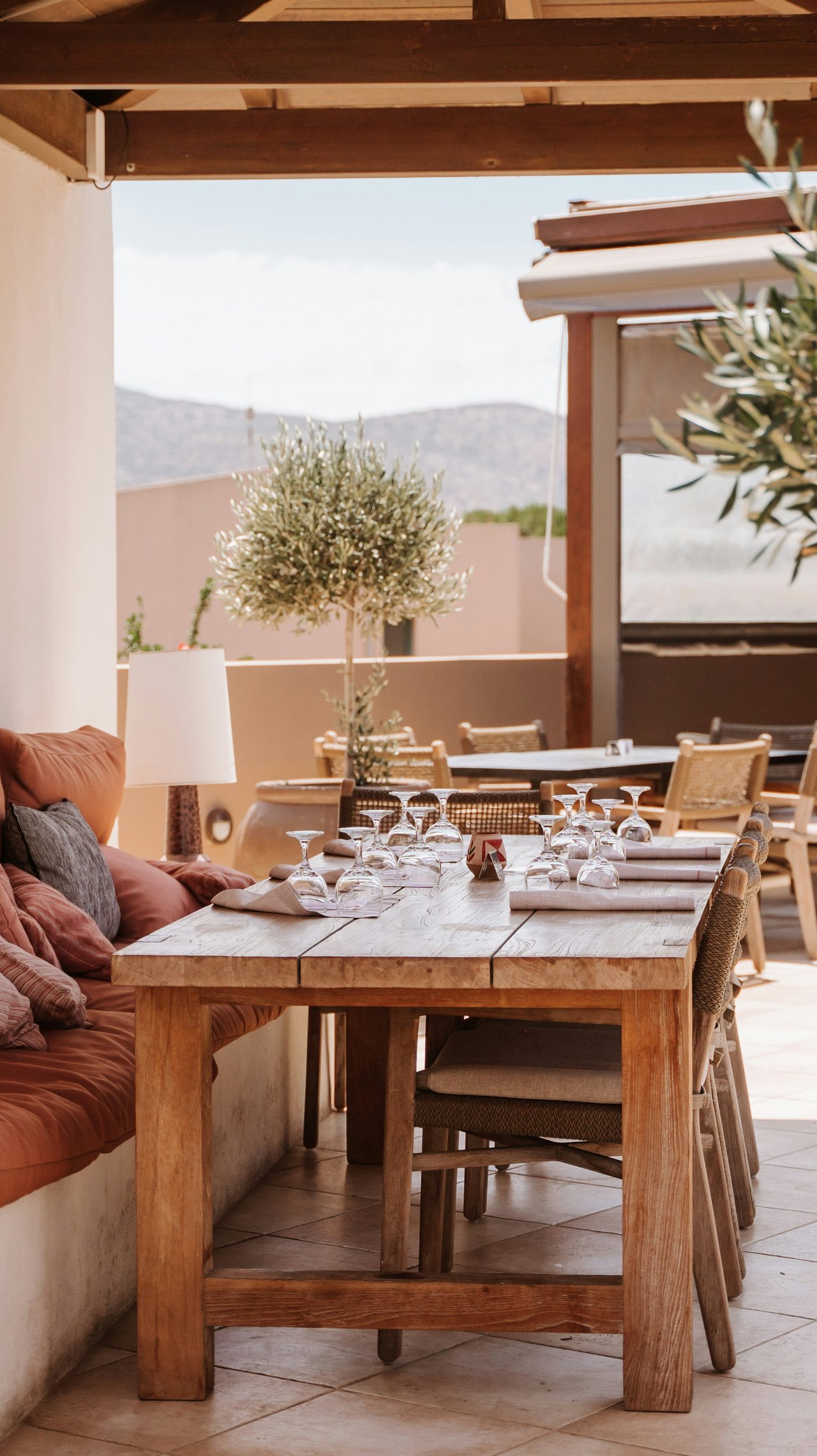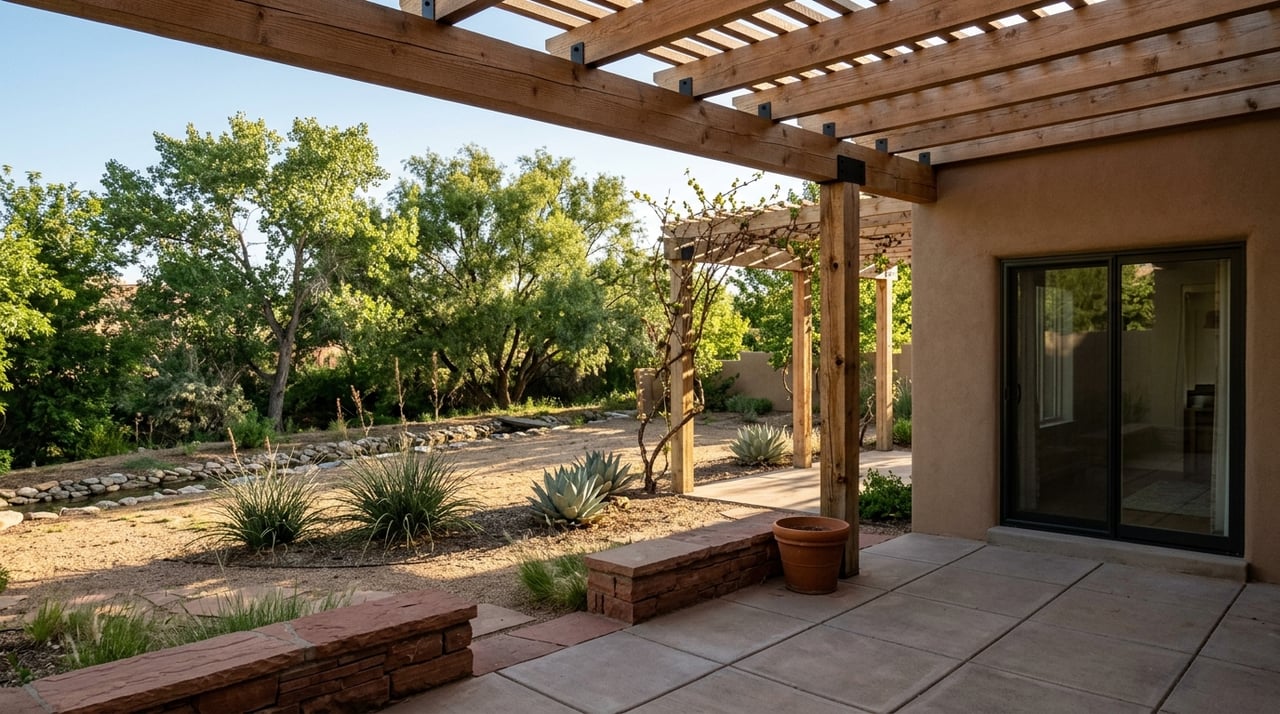
If you love the Verde Valley but want a slower pace than Sedona or Cottonwood, Cornville may surprise you. This is a place where vineyards, creek access, open land, and country roads shape daily life more than busy commercial centers. If you are wondering what it is really like to live here, this guide will walk you through the lifestyle, housing, recreation, and practical tradeoffs so you can decide whether Cornville fits your goals. Let’s dive in.
Why Cornville Feels Different
Cornville is an unincorporated community in Yavapai County with a 2020 Census population of 3,362. It sits in the Verde Valley along Oak Creek as it moves toward the Verde River, with bluffs, mesas, hills, and open space helping define the setting.
Compared with nearby Sedona and Cottonwood, Cornville is much smaller and more spread out. County planning materials describe it as a rural residential area where many residents are retired, work from home, or commute to nearby towns. That pattern helps explain why Cornville often feels quieter and less dense.
Another big part of Cornville’s appeal is what it does not have. The county describes the area as buffered by public lands, known for quiet, clear air, and dark skies, with country roads and trails tying the community together. If you are looking for a compact town center, this may not be it. If you want breathing room, it may be exactly what you want.
Cornville’s Wine Country Lifestyle
One of the biggest draws is the area’s connection to Arizona wine country. Visit Arizona identifies Cornville and nearby Page Springs as part of a vineyard and winery corridor that has grown out of the area’s long agricultural and ranching history.
The local wine scene is not just a visitor attraction. It helps shape the everyday rhythm of the area. The county’s planning materials note vineyards, wine facilities, food trucks, farmers' markets, and other farm-related enterprises that add local character without turning Cornville into a heavily commercial place.
For many buyers, that creates a nice middle ground. You can enjoy wine-country amenities and scenic drives while still living in a community that remains mostly residential and rural in feel.
What stands out about the local vibe
- Vineyards and wineries are part of the surrounding landscape
- Agriculture and ranching still influence the area’s identity
- Small locally owned businesses serve residents
- Heavy commercial and industrial development is largely absent
- Many outings center on tasting rooms, local food, and scenic drives
Creekside Living and Outdoor Access
Cornville’s identity is also tied closely to water. County planning materials say Oak Creek, Spring Creek, springs, and riparian areas help form a greenbelt landscape that supports a wide range of outdoor recreation.
That matters if you want your home base to feel connected to nature. Residents and visitors use the area for swimming, kayaking, canoeing, rafting, fishing, hiking, and biking. Instead of a master-planned recreation setup, the appeal here is more natural and landscape-driven.
Page Springs Fish Hatchery is one of the area’s better-known outdoor spots. Arizona Game & Fish identifies it as the state’s largest hatchery and notes that it includes a visitor center and self-guided nature trail along Lower Oak Creek.
For broader river access, nearby Verde River launch and access points include White Bridge and Beasley Flat. White Bridge is specifically recognized as a place for Verde River access and non-motorized boating, which adds another layer to the outdoor lifestyle near Cornville.
Everyday recreation in and around Cornville
- Oak Creek and Spring Creek access
- Fishing and birding opportunities
- Hiking and biking routes
- Kayaking, canoeing, and rafting nearby
- Nature outings at Page Springs Fish Hatchery
- Park amenities at Windmill Park
Windmill Park is the local county park in Cornville. Yavapai County lists features such as a playground, pond, exercise trail, ramadas, and barbecue grills, giving residents a simple and useful community recreation option.
What Homes in Cornville Are Like
If you are home shopping in Cornville, the housing pattern is important to understand. The county plan describes the area as mostly low-density residential, with residential lots, acreages, small subdivisions, and farmlands making up much of the community.
Single-family homes on one or more acres are strongly associated with the area’s preferred land use pattern. That means many buyers come here for privacy, room to spread out, and a setting that feels less constrained than denser neighborhoods elsewhere in the Verde Valley.
This also means Cornville is not built around apartment living or large multifamily inventory. The county says there are no apartments and only a few multi-family residences, with a limited visitor layer from one timeshare development and several bed-and-breakfast properties.
Buyers often look for these features
- Acreage or larger lots
- Space between homes
- Rural views and open land
- Access to wine-country and creekside areas
- A quieter setting than busier nearby towns
Practical Tradeoffs to Know Before You Buy
Cornville offers a lot, but it works best when your expectations match the setting. The tradeoff is fairly simple: you get space, privacy, scenery, and a rural lifestyle, but you may give up some convenience.
County planning materials note that many residents commute to Cottonwood or Sedona for work and services, while others work from home. Daily errands, broader shopping, and many jobs often still point you toward those nearby communities.
Utilities and infrastructure can also look different from what you may be used to in more urban areas. The county says most residents rely on private wells and septic tanks. It also notes that some parts of Cornville have poor cell coverage and uneven internet service.
Those details do not make Cornville better or worse. They simply make it more important to evaluate each property carefully. If you are comparing homes, you will want to look beyond square footage and views and pay attention to access, utilities, and connectivity.
How Cornville Compares With Sedona
Buyers often look at Cornville and Sedona side by side, especially if they want a scenic Verde Valley lifestyle. While both areas share access to beautiful landscapes, they offer different day-to-day experiences.
Cornville generally feels more residential, more rural, and less concentrated around tourism and luxury property. A useful market reference point from Yavapai County’s April 2026 median-sales report puts the broader Verde Valley area at $429,000 for 2025 data, compared with $1,077,500 in Sedona/Village of Oak Creek.
That difference helps explain why many buyers see Cornville as a way to stay in the same general lifestyle corridor while focusing more on land, privacy, and practical living. It is less about walkability and polished resort energy, and more about space and a slower routine.
Who Cornville May Suit Best
Cornville tends to appeal to buyers who care more about setting than speed. If you value dark skies, country roads, creek and river access, vineyards, and room to breathe, it may check a lot of boxes.
It can also make sense if you are open to a property with land or if you want a home base that feels separate from heavier traffic and busier visitor areas. For some buyers, that balance is the whole point.
At the same time, Cornville may be less ideal if you want a highly walkable environment or need quick access to a wide range of services right outside your door. This is a place where lifestyle fit matters as much as the property itself.
Why Local Guidance Matters in Cornville
Because Cornville is rural and low-density, one property can differ a lot from the next. Lot size, water setup, septic, access roads, views, and connectivity can all affect long-term fit and value.
That is where experienced local guidance becomes especially useful. A broker who knows Cornville and the broader Verde Valley can help you compare not just homes, but the real-world lifestyle and ownership details that come with them.
If you are considering a move to Cornville, want to compare it with Sedona or Cottonwood, or need help evaluating acreage or residential property options, Sylvia Ray can help you move forward with practical local insight and personal guidance.
FAQs
What is it like living in Cornville, Arizona?
- Living in Cornville is generally defined by a rural residential setting, open space, vineyards, creek access, and a quieter pace than nearby Sedona or Cottonwood.
Is Cornville AZ part of wine country?
- Yes. Visit Arizona identifies Cornville and nearby Page Springs as part of Arizona wine country, with several vineyards and wineries in the area.
Are homes in Cornville usually on larger lots?
- Often, yes. County planning materials describe Cornville as a low-density area with residential lots, acreages, small subdivisions, and farmland, with a strong preference for preserving rural zoning.
What outdoor activities are near Cornville AZ?
- Outdoor activities near Cornville include hiking, biking, swimming, fishing, kayaking, canoeing, rafting, birding, and visiting places like Page Springs Fish Hatchery, Windmill Park, and nearby Verde River access points.
Is Cornville quieter than Sedona?
- In general, yes. County materials describe Cornville as buffered by public lands and known for quiet, clear air, dark skies, and a lower-density rural feel.
What should buyers know before buying a home in Cornville?
- Buyers should pay attention to practical property details such as well and septic service, internet and cell coverage, commute patterns, and how far they may need to drive for errands and services.